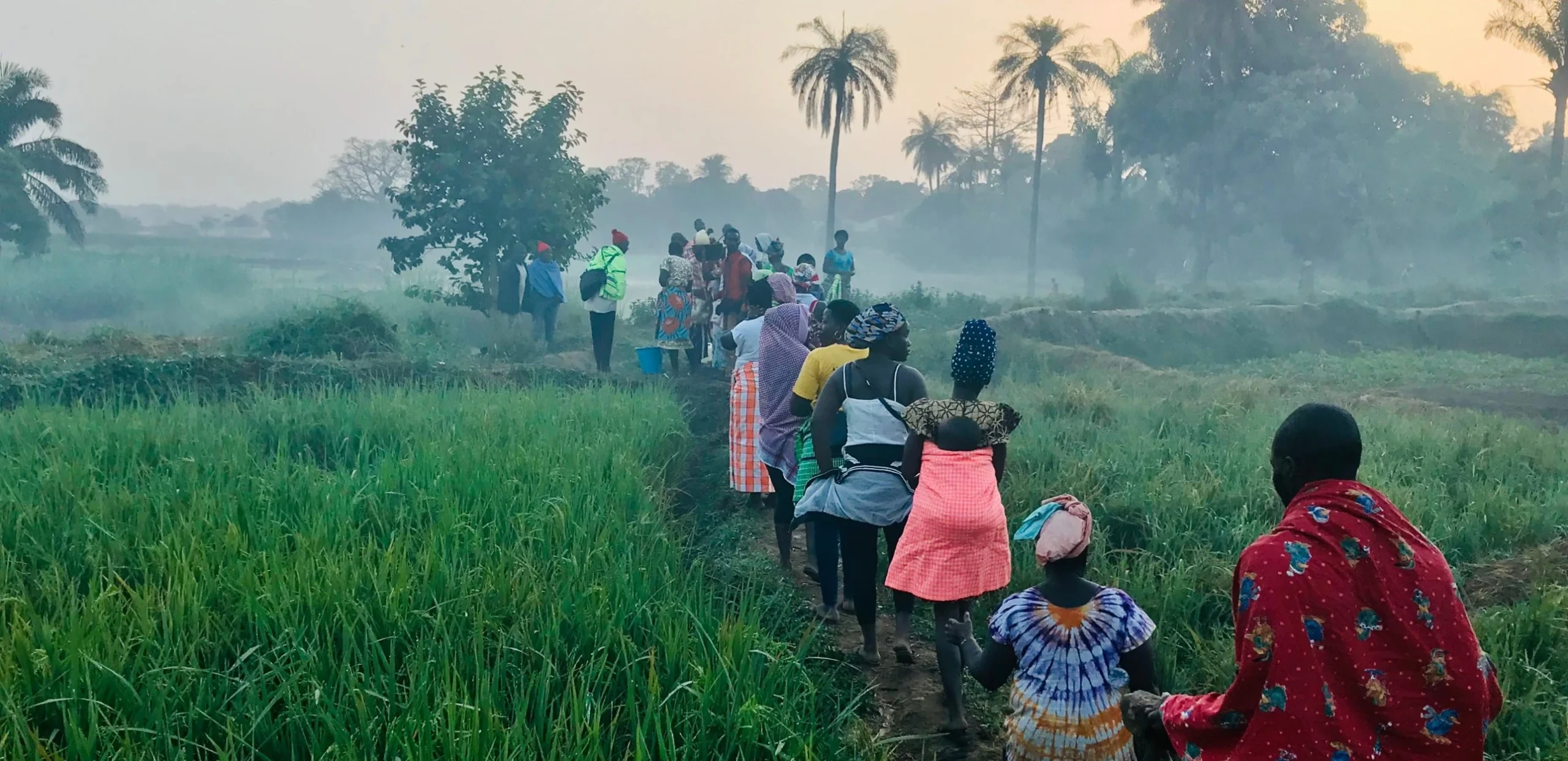
A study silenced in Africa. An inquiry that looked away. A precedent for Europe.
In 2021, EU officials halted the first public opinion study ever conducted in Guinea-Bissau — supported by the European Union so that the country’s citizens could be heard. No reason was given. The English edition is still blocked.
The European Ombudsman opened an inquiry. It heard the Commission, questioned none of the officials who ordered the halt, and closed without a word on censorship. The Commission has since made it official: a study can be withheld from the public in the name of the “public good”.
What was done to one study can be done to the next. This site documents the case, for anyone who shares one conviction: public funds should open knowledge to the public, never lock it away.
October 2026 — DEMOS responds to the European Ombudsman’s Decision in case OI/4/2024/MIK.
Two papers by DEMOS — Centre for Democracy, Creativity and Social Inclusion, an independent research centre based in Paraguay, working in Latin America and Africa. The first makes the case; the second reads the Decision line by line.
Censorship, Democratic Erosion, and the Limits of EU Accountability
Our response to the Ombudsman: the censorship, the inquiry that failed, the “public good” turned against the public, and the precedent for Europe.
How the Ombudsman Overlooked What Was at Stake in the Voices of the People Case
The Decision, read closely: how a complaint about censorship and fundamental rights became a contract dispute.
Public funds should open knowledge to the public,— The Price of a Relationship
never lock it away.
Over 500 signatures from 48 countries. Add your name.
Sign the petitionBanner: A traditional wedding at dawn, Guinea-Bissau. Photo: Miguel Carter.